Thursday, May 17, 2018

Wood You Believe it? —The Amazing Bugatti T 35 of Paul Jacobsen


BY JACQUES VAUCHER ON
reprinted from vintage Road & Race Car  by  arteauto.com


At a young age, Paul Jacobsen became fascinated with cars, playing with his Dinky Toy racecars (like many of us). In his own words Paul says, “I still have this recurring dream where I reach out for these wonderful things and they all melt away. Once a Mercedes 300 SL Gullwing stopped near our home and I thought it was the wildest thing. And when I discovered Road and Trackmagazine, Behra, Castellotti and DePortago became my baseball players.”

Growing up in Connecticut, he also developed as an artist. He studied Industrial design, painting and sculpture at the University of Bridgeport, but he knew he did not want to work for a big commercial corporation. So he went back to school to study painting. The final finish on his sculptures is the most rewarding for him. He starts with a base coat of black and then works up to the color and detail in acrylic. Gerald Wingrove (one of the best model builders in the world) is an inspiration to him because of his emphasis on exact detail.

In 1971, he became a freelance illustrator and designer specializing in automotive commercial accounts and won awards for advertising, design and outdoor illustration and, by 1977, he transitioned to being a full-time fine artist in calligraphy and pattern paintings and started selling his work in galleries in N.Y.C. and Aspen. He also began exhibiting in museums such as the Denver Museum, Aspen Arts Museum and the Museum of Miniatures. It was at this time he began showing and selling his work in Europe and South America.
Having clients around the world and wanting to get back to his old passion, he decided to build a few cars that he always admired, such as the Auto Union G.P., the Blower Bentley, the Alfa Monza, the Lancia-Ferrari GP car and the Bugatti T 35.


He carved them out of wood in large scale—30-in long or bigger—and made a Sculpture/Model, very detailed with engine and cockpit adding a few metal pieces and cloth seats. When he carved those parts, he made a few of each so he could build a small edition.
The Bugatti T 35 shown, was made in an edition of six and they were completed in 2014. The example we have is the last one available from his series of racecars. These accurate, historic icons are still called by Paul as “Polychrome Wood Paintings and Sculptures,”

Paul is more known for his “Americana” series of miniature Adirondack Chairs which he originally made to decorate doll houses, contemporary wood paintings and then larger relief Sculptures that are widely recognized and collected. The success of the miniature chair collection allowed him to branch out towards his real passion which was those beautiful, exotic cars.

Also for a period of time, Paul carved what he calls his “Neo Pop Toys Era” with more whimsical vehicles like the Citroen 2 CV, the Morris Minor, the Chrysler Airflow with kayaks on the roof, or the Buick Woody towing an Airstream caravan. One of his more outrageous models is a 1947 Buick with a driver smoking a big Cuban cigar and an elaborately dressed hooker in the back seat as a passenger.

For many years, Paul longed to own some fantastic exotic cars but now he resigns himself to building his own. Future projects included a possible Ferrari Testa Rossa and maybe a Mercedes W 125. “I am looking forward to making those big fenders,” he says. But for now, Paul has slowed down. No more large sculptures are in the works. He is instead concentrating on flat artwork.
He spends his time between his workshop in isolated Colorado and his home in Arizona.
We have had a few of Paul Jacobsen’s sculptures available over the years but the Bugatti is the last one from that series and is available from arteauto.com in our sculpture section.

Visit arteauto.com to see this and other fine models and collectibles!

Thursday, May 10, 2018

Auto Poster Designs of the Century


How Auto Posters have influenced Graphic Design in the early 20th century


The process of Lithography - poster printing - though invented in 1798, only began to emerge as meaningful method of advertising and artistic expression around the moment to perfectly coincide with the introduction of the automobile. In a way, Cars and Posters are inherently linked. most of us will remember as children having a poster of our dream car hung on our walls, and even to this day flipping through a magazine to stumble across a beautiful pull-out poster of a shiny new supercar will fill us with delight.


Monaco poster by Alain Lévesque

In this article, we will embark on a voyage, through history and the imaginations of famous artists and advertisers, to explore the history of automobile posters and how they were influenced by the artistic stylings of their era. On this journey we will see the influence of Art, Expression, Culture and Counter Culture and how they altered the artistic world in which these beautiful pieces were created.

Early Lithographs were drab, uncolorful affairs, usually engraved into wood or metal, that were far too difficult to mass produce. This all changed around 1880 with Jules Cheret’s ”3 stone lithographic process," which allowed artists to achieve every color in the rainbow with as little as three stones - usually red, yellow and blue - printed in careful registration. Cheret's process nevertheless still demanded superb artistry and remarkable craftsmanship. The result was worthwhile - a remarkable intensity of color and texture, with sublime transparencies and nuances impossible in other media (even to this day). The ability to combine word and image in such an attractive and economical format finally allowed the lithographic poster to usher in the modern age of advertising.


Automobiles & Cycles Rochet original poster by Philippe Chapellier circa 1900

Just a few years later, the first masterpieces of Art Nouveau poster design were created. This flowering, ornate style became the major international decorative art movement up until World War I. A perfect example of the Art Nouveau movement is this original work, created by Philippe Chapellier for the French Marque Rochet, that manufactured bicycles, motorcycles and automobiles in the early part of this century. Notice how the supple curves of the woman’s form and the road behind her contrast with the rigid layers of the pillar and the surrounding border, all classic hallmarks of the Art Nouveau movement. 


Type 35 Bugatti poster by Roger Soubie, autographed

By 1910, Art Nouveau was already out of style. It was replaced as the dominant European architectural and decorative style by Art Deco. After World War I, Art Nouveau's organic inspiration became irrelevant in an increasingly industrial society; the modern art movements Cubism, Futurism, Expressionism, and Dadaism became chief influences. By the mid-Twenties, these often disparate modernist approaches would coalesce into a major new international decorative movement called Art Deco. In this machine age style, power and speed became the primary themes. Shapes were simplified and streamlined, and curved typefaces were replaced by sleek, angular ones that would reflect the jazz age.


MCF (Motor Club de France) original poster by Geo Ham

Above we see two examples of Automobile Racing posters, done in the Art Deco style. The first is an advertising poster by Roger Soubie commissioned by Bugatti for their Type 35 Racing Car and the second was done for the Motor Club de France by the famous automobilia artist Geo Ham. They both have all the hallmarks of an Art Deco Masterpiece, the bold imagery, attention grabbing styling and colors, and a distinctive simplicity that communicates directly with the audience. We see the cars racing toward us, hurtling from the picture and we know; this car is fast and we must have one.


Save Rubber original World War II propaganda poster by W. Richards 

The poster again played a large communication role in World War II, but this time it shared the spotlight with other media, particularly radio and print. By this time, most posters were printed using the mass production technique of photo offset, which resulted in the familiar dot pattern seen in newspapers and magazines. Above is the Famous ‘Save Rubber’ Poster by W. Richards which was a classic display of 1940’s contemporary art, as well as an effective motivator of National Pride and Sacrifice during that time of struggle.  


7th Grand Prix of Rouen original poster 1959
Packard original dealer showroom poster, 1956

Despite the looming tensions of the Cold War, the end of World War II ushered in a baby boom and a new consumer society with the arrival of television, jet travel and global brands fueling the way. Advertising methods shifted to adapt to the times. A veritable "poster boom" occurred in the early 1950s, driving forward two distinct styles, one consumer and one corporate. The first, which we have labeled the '50s Style, was brightly colored and whimsical, as demonstrated by the G.P. of Rouen Poster above, while the second, called the International Typographic Style, was more rational and orderly, which companies like Packard chose to use to advertise their selection of conservative cars.


Monterey Grand Prix 1964 original poster by Earl Newman

The orderliness of the Fifties would yield to a more chaotic and revolutionary tenor by the mid-Sixties. A new illustration style, one which borrowed freely from Surrealism, Pop Art and Expressionism, was more relaxed and intuitive and the first wave of a Post-Modernist sensibility. A perfect example was Earl Newman’s mesmerizingly surreal event poster for 1964’s Monterey Grand Prix. With it’s vividly dark and forbidding colors and it’s nebulous depictions of racers and track hurtling toward you, this piece perfectly captures the excitement and danger of auto racing in the style of the era.  


Monte Carlo original tourism poster by Steve Carpenter

The excesses of the drug culture and political alienation led to a brief but spectacular Psychedelic Poster craze, which recalled the floral excesses of Art Nouveau, the pulsating afterimages of Pop-Art, and the bizarre juxtapositions of Surrealism. These influences and attributes can be seen vividly in this Monte Carlo original tourism poster created by Steve Carpenter. Scenes of the exotic thrills and locales of Monte Carlo are seen tumbling from the mind of a young and beautiful woman and cascading down her hair as she observes the city’s famous Grand Prix, all captured in the surreal and mind-bending style of the sixties.  


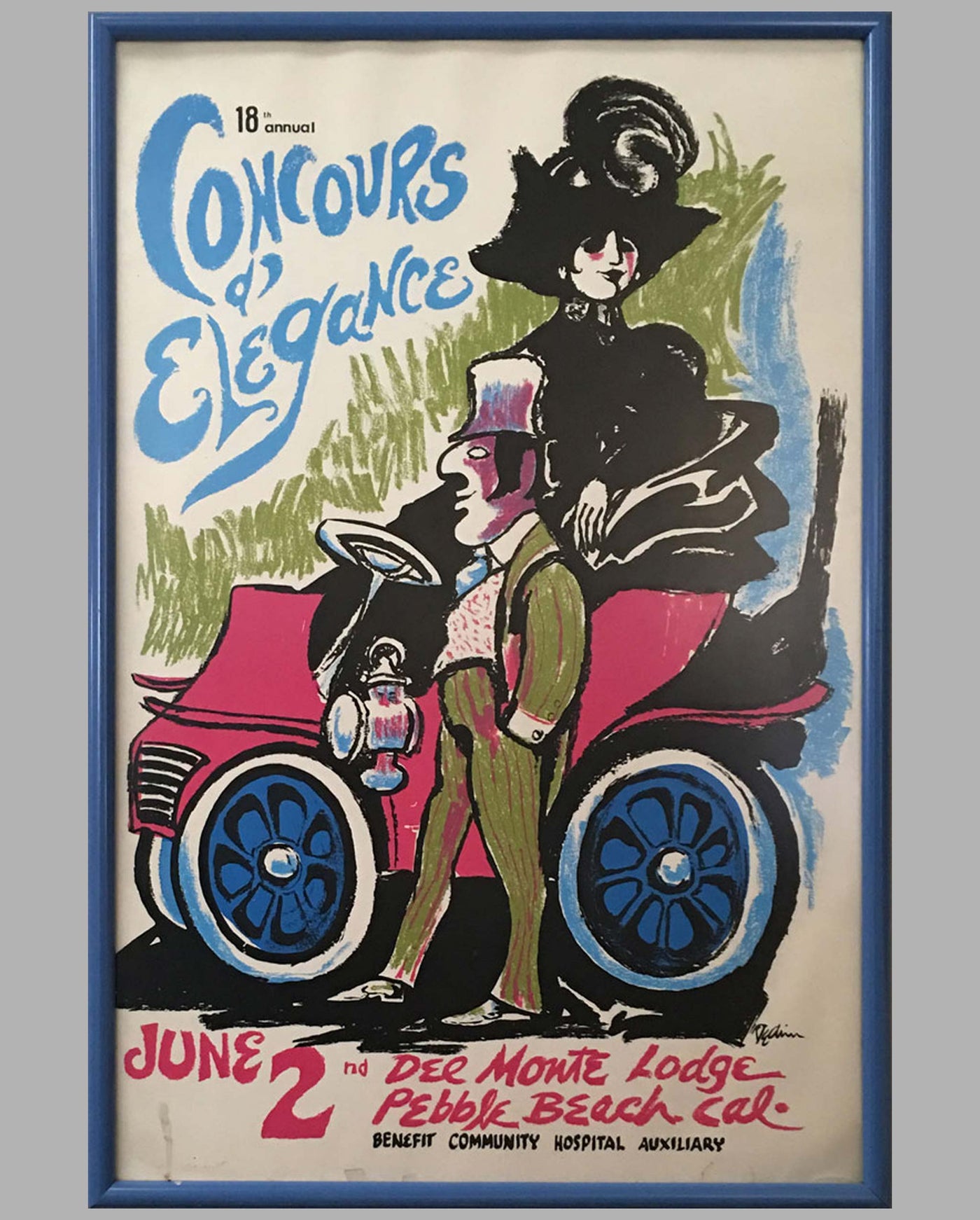
1968 18th Annual Concours d'Elegance Pebble Beach poster by Dedini

Posters like these were placed in windows or pasted on walls to draw people’s attention to the products of auto manufacturer’s, upcoming or famous races or to celebrate important car shows or auto clubs. Before the advent of the television, these pieces of collectable art were one of the only visual mediums that could attract the attention of customers and race fans and deliver them to the Companies and Venues that survived on their patronage. We have seen how the art of the period has effected the advertisements and commemorations that have been put down to poster paper and how those works of automobilia have effected the art world in turn. Now its your turn to collect a piece of history. All the pieces displayed above and many others are available in our gallery, which can be toured here and here. Feel free to peruse it at your leisure and possibly add a piece of art and automobile history to your collection.

Jacques Vaucher
Owner and Curator
l'art et l'automobile

Make sure to Like and Follow on Facebook, Tweet us @arteauto on Twitter, Share a Photo with us on Instagram and don't miss the rest of our Blog below.  

Thursday, May 3, 2018

The 10 major classic car events you won’t want to miss in 2018


Classic Driver Magazine (edited by l'art et l'automobile)


With a new year comes a new opportunity to experience the very best classic car events in the world. It’s hard to choose our all-time favourite, especially when new ones keep popping up on the calendar every year, so here’s a list of our top 10 events we would be truly disappointed to miss in 2018…

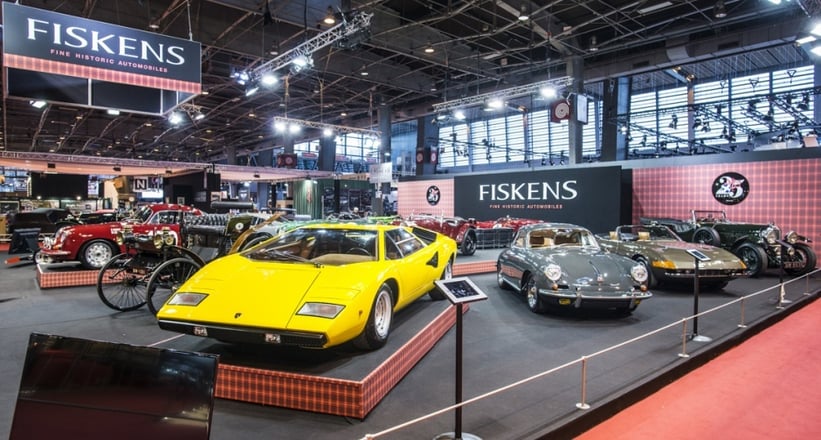
Rétromobile, 7–11 February


Slightly frayed red carpets, yellow-tinted spotlights, and the heady aroma of strong coffee, oil, and polished lacquer — Rétromobile in Paris might not be as, how can we say it, polished as other major events on the calendar, but that’s so much of the season-opening classic car extravaganza’s charm. In addition to numerous events, over 500 exhibitors will proudly display their wares, from classic cars to restoration services to must-have collectibles.

76th Goodwood Members’ Meeting, 17–18 March


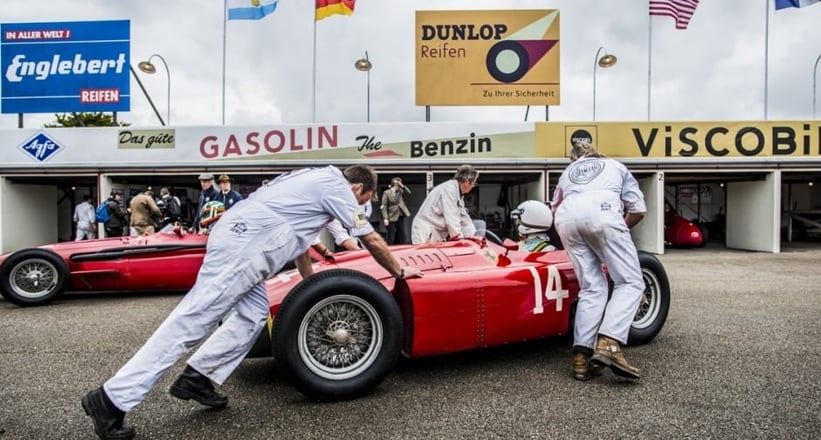
With fewer passes available than any other Goodwood event, the Members’ Meeting has become more of an exclusive party for enthusiasts within the car world. For the historic racing fans, the event has plenty of competition, both on and off the track. With every attendee — from superstar to race driver to four-year-old — allocated to a house, everyone has the chance to win for their home team.

Tour Auto 2000 Optic, 23–28 April


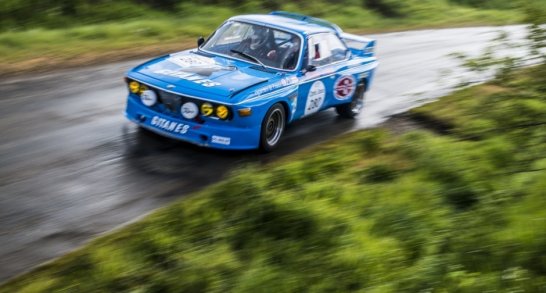
Organised by Peter Auto, the 27th edition of the Tour Auto will bring together more than 230 classic cars for five days of racing along French roads and circuits. Beloved by all in the classic car world, from enthusiasts to dealers to historians, the start will be at the Grand Palais in Paris, as is tradition, but the circuits, final destination, and stage towns have yet to be revealed. Honouring Italian marques that are no longer produced, spectators along the route this year are sure to witness a spectacular sight.

Grand Prix de Monaco Historique, 11–13 May


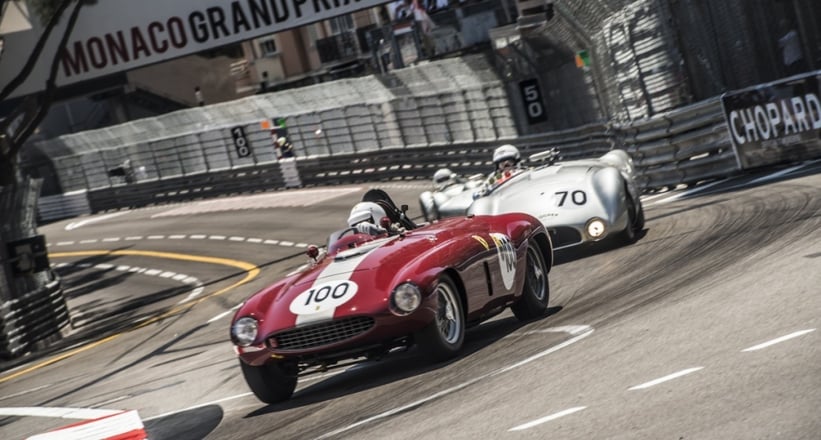
It’s said that there’s no greater thrill (or challenge) in contemporary motorsport than tackling the Monaco Grand Prix circuit in a competition car — watching it from the balcony of the Fairmont Hotel is a close second. Traditionally held biennially and two weeks before the modern F1 Grand Prix at the same locale, the Grand Prix de Monaco Historique sees the classic car world descend on the glamorous principality, at the invitation of the Automobile Club de Monaco (ACM), for some high-speed historic racing.

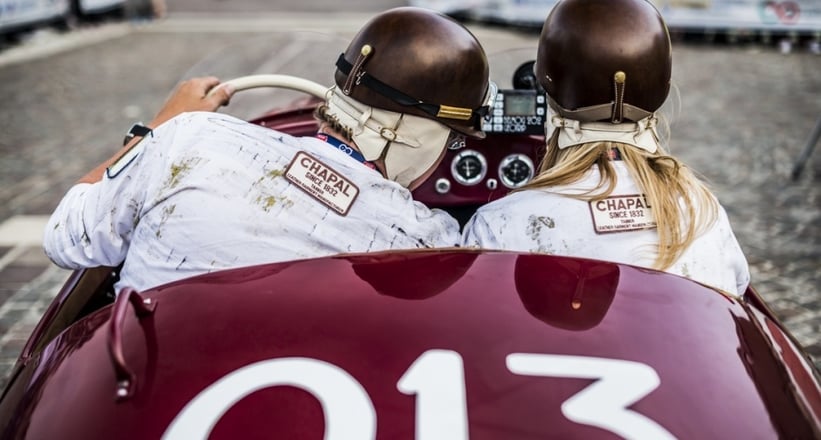
Mille Miglia, 16–19 May

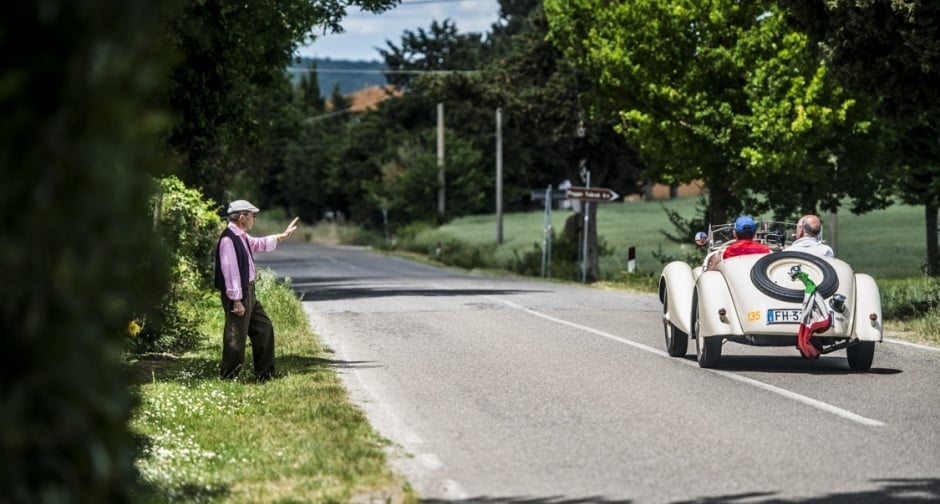
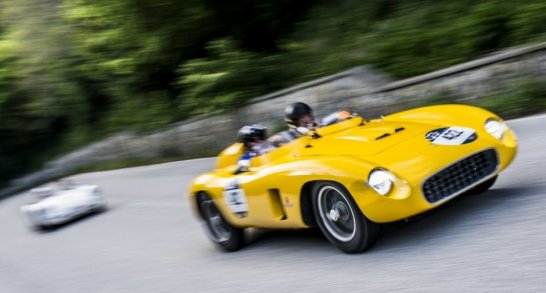
Celebrating its 91st anniversary and 36th modern edition this year, the legendary Mille Miglia is perhaps the only race in the world that unites not only classic car collectors and enthusiasts but also communities, as villages and cities along the route turn out to cheer on the competitors. This year will see over 450 entrants gather together to prepare for an unforgettable four-day, 1,000-mile journey throughout the beautiful Italian landscape. It’s a true test of stamina and endurance for both man and machine.

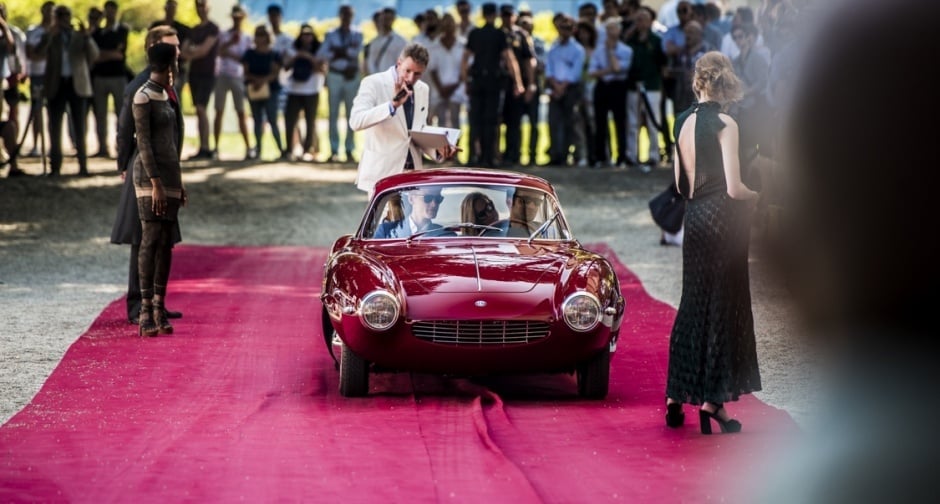
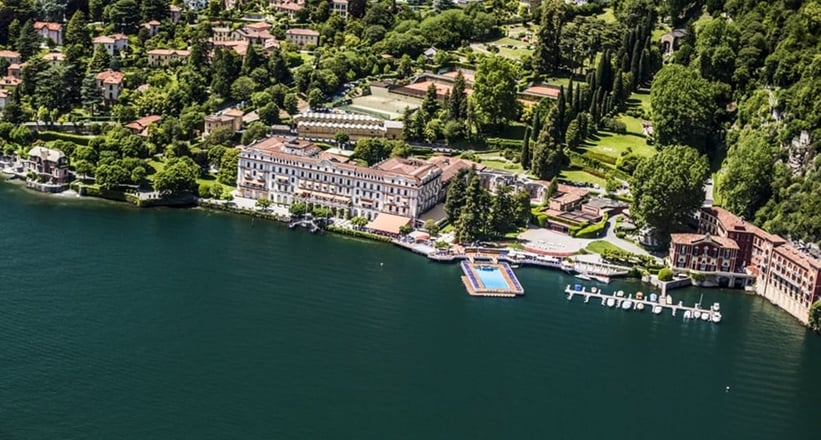
Concorso d'Eleganza Villa d'Este, 25–17 May


Once a year, the most beautiful and elegant classic automobiles assemble on the terrace of the Grand Hotel Villa d’Este on Lake Como. Sensual car bodies sparkle in the sun, Rivas rock gently on the waves, suave gentlemen and elegant ladies in light clothes stroll through the grounds — the Concorso d’Eleganza is, above all, a feast for the eyes. And yet, despite all La Grande Bellazza, it’s the eccentric stories and exalted tales that bounce around your head long after you’ve left the bubble of elegance.

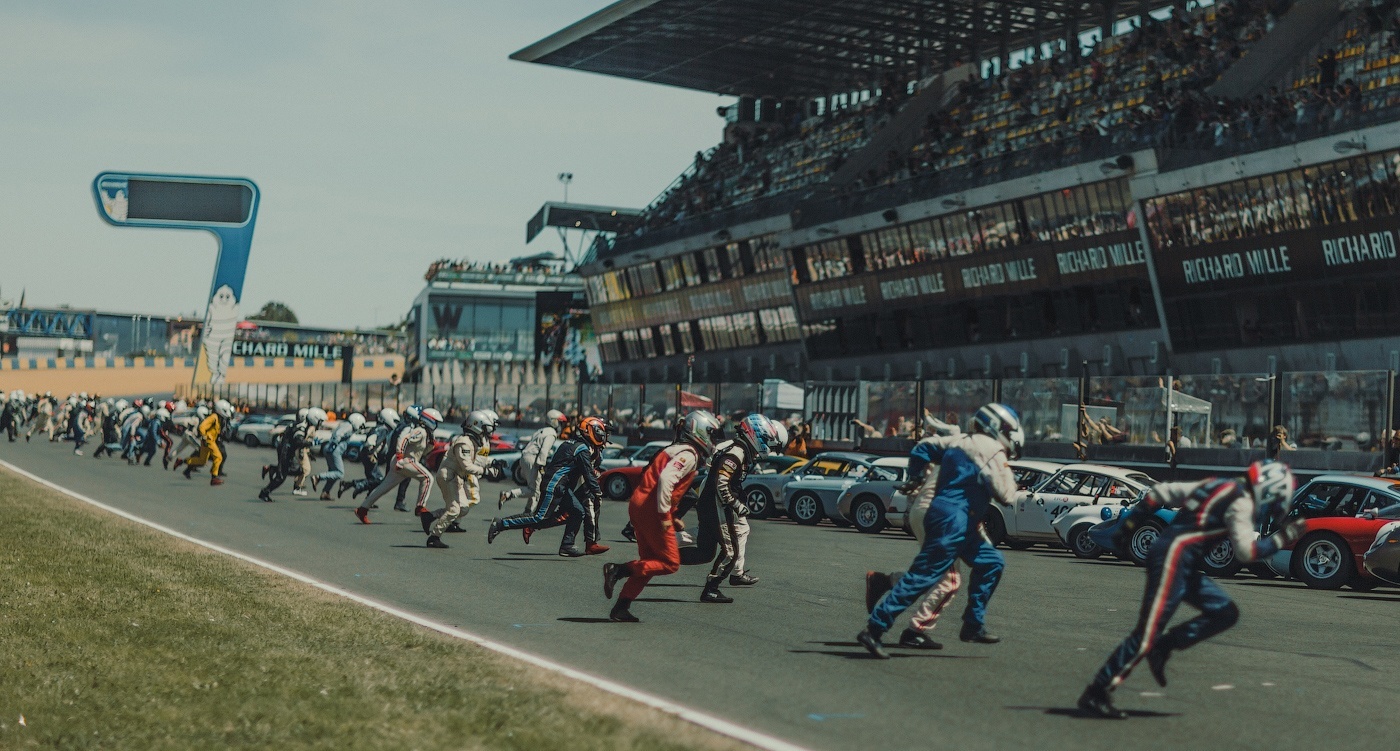
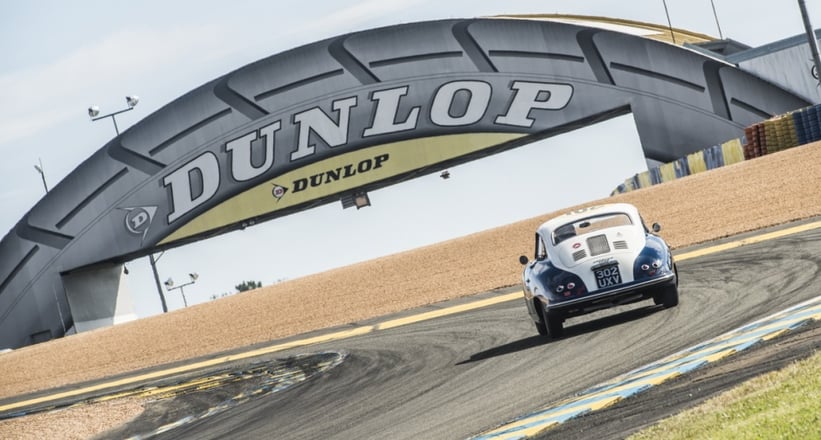
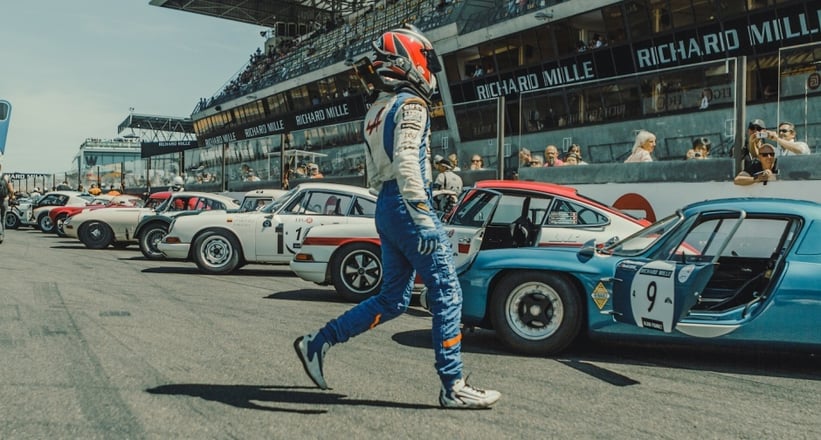
Le Mans Classic, 6–8 July


Distinctly French in flavour, steeped in history, and a vicious assault on the senses, the Le Mans Classic is the most special event in the historic motorsport calendar. Taking place every two years, the anticipation and excitement for this year’s event has been building since the summer of 2016. With over 700 historic racing cars competing day and night on the historic Circuit de la Sarthe, the retrospective always exceeds expectations.

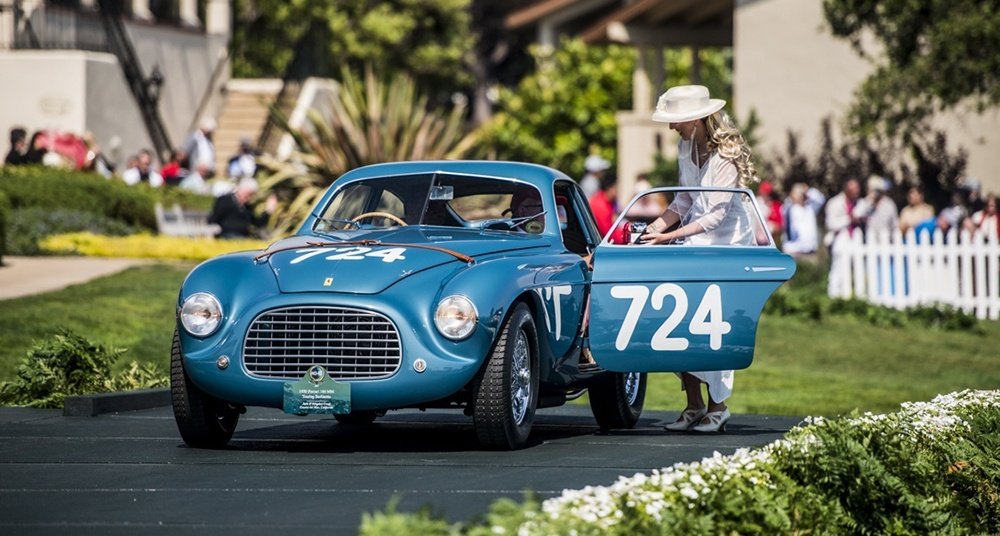
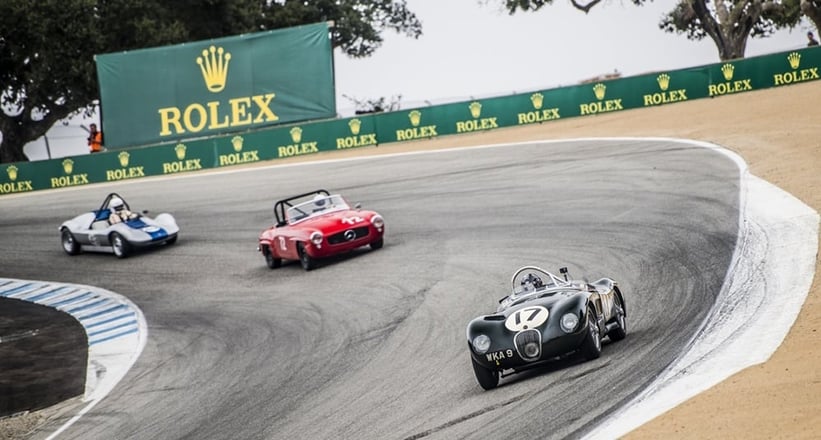
Monterey Classic Car Week, 20–26 August


Monterey Classic Car Week is a jam-packed event, with something fun and exciting occurring every day. Although usually held on the third week of August, the event has been moved back one week this year, as the United States Amateur Championship returns to Pebble Beach the week prior. As a result, the Pebble Beach Concours d'Elegance will be held on 26 August and the Rolex Monterey Motorsports Reunion at Mazda Raceway Laguna Seca will be moved to 23–26 August.

Goodwood Revival, 7–9 September


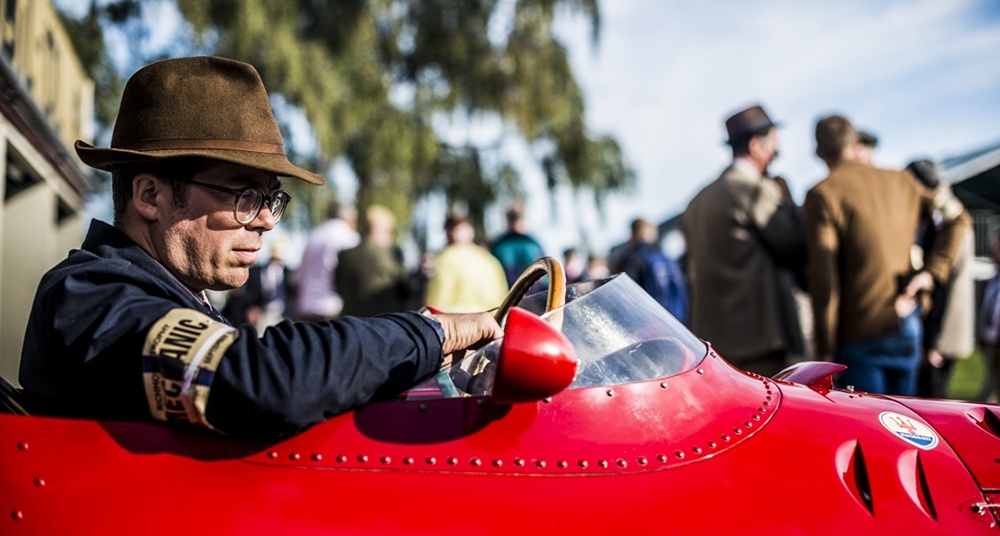
Now in its 21st year, most of us are seasoned veterans of the event and put on airs as if we know exactly what to expect, but every year, as we cross the grounds of the Goodwood Estate and enter the vintage fun fair that is the Revival, we’re always left in awe at the magic laid before us by Lord March and his team. From the vintage outfits and delectable food to the Spitfires flying overhead and, of course, the historic racing on track, the Goodwood Revival never disappoints.

Porsche Rennsport Reunion, 27–30 September


Every three years, Porsche holds the Rennsport Reunion, the world’s largest gathering of Porsche race cars, drivers, engineers, and designers. Hosted by Porsche Cars North America and comprised of four days of on-track competition and a concours d’elegance, even the most casual of Porsche fans won’t want to miss this event, held at the Mazda Raceway Laguna Seca.

Photos: Rémi Dargegen, Peter Aylward, and Stefan Bogner for Classic Driver © 2017

We here at l'art et l'automobile encourage you to seek out and participate in events like these, especially when you come to our Social Media Channels and tell us all about them.  Make Sure to like, comment and share us on Facebook, Tweet us on Twitter, post photos on Instagram or Read the rest of the blog below.  


Jacques Vaucher
Owner and Curator
l'art et l'automobile

Thursday, April 26, 2018

Antique Auto Badges

By Marye Audet (edited by l’art et l’automobile)

Automobile Club du Forez
member’s badge, France

Whether you are looking for antique auto badges or classic car emblems the Internet, especially l'art et l'automobile, has almost anything you could want. 

What Are Antique Auto Badges?Cars have always been a status symbol. In the earliest days of automobile history the auto was a luxury item that was owned only by the wealthy. These early cars may have been mechanically primitive compared to what rolls off the assembly line today but they were imbued with luxurious detail. Materials like mahogany, leather, and other expensive items embellished the cars.

One of the embellishments that nearly every automobile boasted was an emblem. These beautifully designed manufacturer's nameplates could be found almost anywhere on the car. Often they were on the radiator shell. The shapes, colors, and design became a signature item, unique to each individual manufacturer.

Materials

The badges were made of cast metal that was then enameled by coating it in porcelain or glass. This process is called champlevé. A copper base is first stamped and then etched with the design. Once this is done the recessed areas in the design are filled with powdered glass and baked. When cooled the emblem is chrome plated and buffed.  In the late 1940s manufacturers began to work with plastic. Some badges that you will find after this point will be made of plastic or a combination.

Collectors search for these badges based on several criteria:
  • Personal preference 
  • Rarity 
  • Beauty 
  • Historical significance 

Why Collect Auto Badges?

There are numerous reasons why someone might want to collect automobile badges. They are certainly beautiful, as well as being an interesting part of history.
Collections
There are those who collect the badges purely for their beauty. The bright colors and variety of designs makes antique auto emblems a wonderful display item in almost any den or game room. They are, after all pieces of art.
Restoring Antique Cars
If you are an antique or vintage car enthusiast then you may collect emblems as part of your restoration hobby. Having an authentic badge puts the finishing touch on your antique car. It signals to everyone who sees it that your car is an authentic classic. A badge will usually increase the value of your restoration.

Auto Emblem Designs

Each design is different. Some are the name of the company in script while others are symbols or coats of arms. While there are too many to list each of them, following is a description of some of these badges. A good guide to car emblems should be a great help to any collector.
  • 1920s Buick - This is blue and white with Buick written in script diagonally across the emblem. 
  • 1920s Oldsmobile - A gold and maroon shield with Oldsmobile written diagonally across the shield. 
  • 1930s Dodge Brothers - This shield with wings has a Star of David in the center and Dodge Brothers written around the edge. 
  • 1949 Lincoln - This is a shield that is divided into four parts by a burgundy cross. There is a sunburst in the middle of the cross and the bust of a knight on the top. 
  • Automobile Club du Forez member’s badge, France - This badge shows a yellow dolphin on a red shield against a spoked wheel 

Where to Find Badges

You can find old auto badges in many places. Old car junkyards are a prime place for finding the emblems inexpensively. Other places to check are:
  • Yard sales 
  • Flea markets, Antique shops or Thrift stores 
  • eBay 
  • Collector's swap meets 
  • l’art et l’automobile’s Badge Collection of Course! 

There are also websites that specialize in auto emblems and collections. Some of these have chat rooms and message boards so that collectors can ask questions and discuss their hobby. One of the most informative sites, Emblemagic, also includes a blog much like this one.

Caring for Your Antique Emblem

Emblems are relatively simple to care for. Just wash them gently in a mild detergent; whatever you would normally use to wash your car. Use a small, soft brush like a toothbrush to get dirt out of the grooves. Finish by waxing the emblem with non-polishing automotive wax.

If you are displaying them in a group, use the same precautions that you would with any other antique.
  • Keep them away from direct sunlight. 
  • Keep them away from heat and humidity 
  • Keep them safe from possible damage from being played with 
Antique auto badges are a wonderful collectible for any lover of old cars.

We here at l’art et l’automobile are huge proponents of the information detailed in this article, and have already begun a collection, one that you can take advantage of by adding to your collection. We have collected numerous examples of factory and auto club badges and present them to you, the collector. These badges were created to ornate the front grill, license plates, or mounted on a bar to the front or rear bumpers, to the taste of the automobile owner. Some were even mounted on the dashboard.

The ones we are presenting here are from the beginning of the automobile era, before being replaced by decals and stickers in the 1980's.

Feel free to tour the collection here! If you decide to not put them on your car, you can also display them in your garage one by one or in a frame as they are very decorative, historic and well-designed.

Jacques Vaucher
Owner
l’art et l’automobile

Thursday, April 19, 2018

Remembering Jim Clark

Originally Written by - Gerald Donaldson

Jim Celebrates his win at Watkins Glen
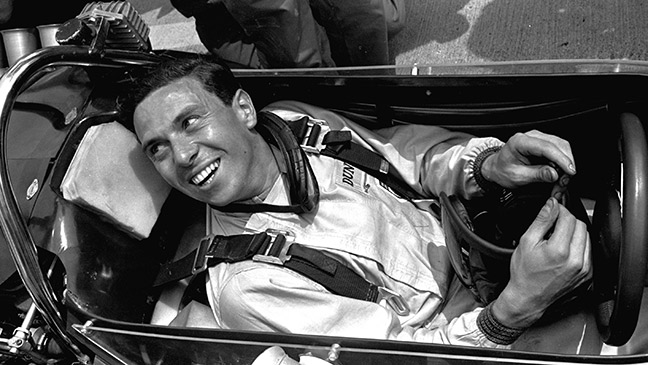
He never intended to make racing a way of life, let alone become the best in the world in a sport that for him began as farm boy's hobby. And when the sport took Jim Clark's life the racing world mourned the loss of one of its best-loved champions, the unassuming Scottish driving genius whose personal integrity and admirable human qualities endeared him to fans and rivals alike. Nearly invincible in the car, he seemed vulnerable out of it and was always a reluctant hero. Few champions were as dominant. Fewer still are remembered so fondly.

James Clark, junior, was born on March 4, 1936, and brought up with his four sisters on the family farm in Scotland's Berwickshire hills near the border with England. There was plenty of room to roam around the Clark's large acreage where flocks of pedigree sheep grazed peacefully and where Jim Clark would always feel most at home. It was worlds away from international motorsport, a subject he first read about in books and magazines when, at 13, he went to a private school in Edinburgh, where he also played cricket and was quite good at hockey. When it came to using vehicles for sporting pursuits Jim had to overcome parental opposition to using them for anything other than utilitarian purposes. Having first driven the family car around the fields in secret, and then been allowed to drive farm tractors alone, Jim got his driver's license on his 17th birthday, by which time he had left school and was working full time on the farm. For personal transport he bought a Sunbeam Talbot and in 1956 began using it to compete in local rallies and driving skill tests. He soon graduated to winning club races in a variety of sportscars entered for him by wealthy enthusiast friends, without whose encouragement he might have progressed no further. When he won he found being the focus of attention embarrassing. He also felt guilty about racing against his family's wishes. Goaded on by his friends, the reluctant racer began to take it more seriously, demonstrating an outstanding natural talent that amazed everyone, and certainly surprised the man himself.

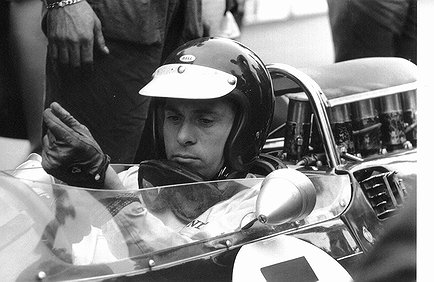
Jim Clark in the cockpit of his Lotus 49 with the Ford DFV V8 engine behind him; Clark won the 1967 Grand Prix of Holland at Zandvoort with this engine in its debut race
In 1958 Clark was given a sleek little Lotus Elite coupe to race at Brands Hatch, where he immediately impressed the winner in an identical car, Lotus founder Colin Chapman. Invited by Chapman to race a Lotus Formula Junior, Clark immediately excelled and was promoted to Team Lotus for the latter part of the 1960 Formula One season. In Belgium that year he suffered through one of the worst weekends in Formula One history. Early in the race at Spa Chris Bristow crashed fatally in a Cooper. Clark just managed to avoid the terribly mutilated body as it lay on the track but his Lotus was spattered with blood. A few laps later Clark's friend and Lotus team mate Alan Stacey lost control when he was hit in the face by a bird and he was killed. Clark admitted that the gruesome disasters nearly put him off racing forever. Thereafter he hated Spa with a vengeance and yet he would win there four times in succession.

In 1961 his first complete Grand Prix season was blighted by his involvement in a collision at Monza with the Ferrari of Wolfgang von Trips. Though Clark was innocent and unhurt, the death of von Trips and 14 spectators left him devastated and again he seriously considered retiring. But he was persuaded to stay by Colin Chapman, whose brilliance as a designer was developing along with the emerging genius of his star driver.

Jim, Airborne in his Lotus at the Nurbergring
Over the next four seasons the Clark-driven Lotus was mostly only ever beaten when the mechanical side of the equation failed to deliver. Chapman's innovative Lotus chassis powered by Climax V8 engines were exceptionally fast but notoriously unreliable. Clark only lost the 1962 championship because of an oil leak in the last race. In 1963 everything held together and he stormed to victory in seven of the championship races and easily won his first driving title. In 1964 he was again deprived of the championship in the last race by an oil leak. In 1965 he won six of the 10 races and his second World Championship.

By now Clark and Chapman were as close as brothers. Chapman greatly admired his sincerity, humility and personal integrity and said Clark was as impressive as a human being as he was driver. Clark was not technically-minded and relied on Chapman to translate his comments into engineering solutions. Even when the car was not right Clark's natural talent enabled him to drive around problems, though he often said he had no idea where his speed came from.

Jim was reserved in public, but invincible in the car.
The public warmed to the shy champion who shunned the limelight, which now extended to America where he became a star after winning the 1965 Indianapolis 500. He hated press conferences and was visibly uncomfortable making public appearances. Though admired and well-liked by his peers, none of them knew him well. Graham Hill and Jackie Stewart, both self-confident extroverts, found Clark to be just the opposite. In the car he was the epitome of calm and controlled aggression. Out of it he constantly chewed his fingernails and was surprisingly indecisive, and had trouble choosing which restaurant to eat in.

His championships brought him wealth and he became a tax exile in Paris. He drove to the races in a Lotus Elan (and later flew a Piper Twin Commanche he bought from Chapman), often with a female companion. He never married but confided to a girlfriend that his ambition was to settle down and have a family of his own on the farm in Scotland. He deliberately kept his contracts to a year at a time so he could be free to leave when he wanted.

Jim Clark, Back in the Cockpit.  
He nearly left after Lotus was less competitive in 1966, though his patience was rewarded with a return to form the next season. A victory in the first Grand Prix of 1968 brought his total to 25, eclipsing the previous record set by the great Fangio. Like Fangio, Jim Clark seldom ever made a mistake and had very few accidents - which made his sudden death all the more difficult to comprehend. On April 7, 1968, his Lotus had a tyre failure in a F2 race at Hockenheim in Germany and he was killed. The racing world was in shock and many felt the heart had gone out of the sport. Colin Chapman said he lost his best friend. Graham Hill said what he would miss most was Jim Clark's smile.

We here at l’art et l’automobile remember all the great heroes of the Track, in particular when we lose them, like we did this great champion. Jim Clark will live on in our hearts and minds. In that vein of remembrance, we have gathered several Jim Clark artifacts as well as Formula 1 and 2 memorabilia into one place, and present them to you. Feel free to Peruse the collection here and take a piece of history everyday.

Jacques Vaucher
Owner
l’art et l’automobile